Custom Encoder Shaft Manufacturer in China

Precision-ground encoder shafts with tight concentricity control, in-house heat treatment, and stable batch consistency for automation and encoder systems.
Encoder Shaft Manufacturing Overview
Custom Encoder Shaft Solutions
Encoder Shaft Types We Manufacture
From standard solid shafts to complex custom profiles, we deliver precision encoder shafts for all rotary encoder applications.
Solid Encoder Shaft
High rigidity, precise concentricity, suitable for direct coupling and high-speed rotation.

Hollow Encoder Shaft
Reduces weight and allows internal wiring, widely used in compact encoder assemblies.

Stepped Encoder Shaft
Multiple diameters for bearings, gears, or encoder hubs with strict positional tolerance.

Custom Profile Shaft
Special grooves, flats, keyways, or non-standard profiles fully based on your drawings.
Solid Shaft
High rigidity for direct coupling and high-speed rotation.
Hollow Shaft
Lightweight with internal wiring pass-through.
Stepped Shaft
Multi-diameter for bearings and encoder hubs.
Custom Profile
Keyways, flats, grooves per your drawings.
Encoder Shaft Structural Features
Each structural feature serves a specific function in encoder assembly. Precision control of these details ensures reliable encoder performance.

Keyways & Slots
For torque transmission between shaft and encoder hub. Keyway dimensions and positions are controlled to ensure stable rotation.
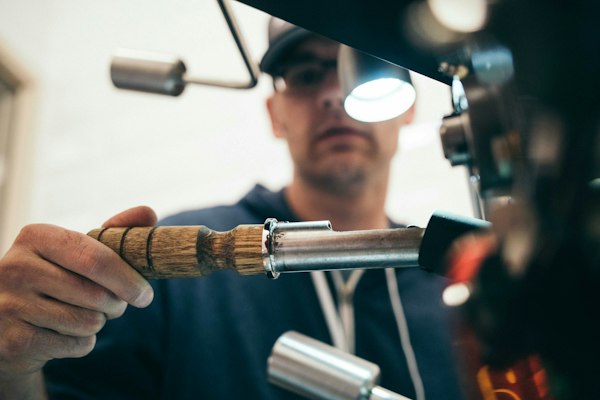
Flats (D-Shaft)
Commonly used for set-screw mounting. Flat width and depth are precisely machined to prevent slippage.

Grooves for Snap Rings
Used for axial positioning of bearings or encoder components. Groove location and depth are strictly controlled.

Bearing Seats
Critical areas for encoder accuracy and service life. Diameter tolerance and surface finish are tightly maintained.

Threaded Ends
For axial fixing or preload adjustment. Threads are machined after heat treatment to ensure fit and strength.
Materials & Heat Treatment Options
Consistent material sourcing and controlled heat treatment ensure batch-to-batch stability for long-term supply.
Carbon Steel
Cost-effective for standard encoder applications. Provides stable machinability and consistent performance.
Alloy Steel
Used for higher strength and wear resistance. Suitable for encoder shafts with higher torque or longer service life.
Stainless Steel
Applied in corrosive or clean environments. Maintains dimensional stability and surface quality.

Material Selection for Long-Term Stability
Material choice and heat treatment are defined based on encoder shaft application, operating conditions, and long-term supply consistency — not just initial performance.
Manufacturing Capabilities for Encoder Shafts
Each process is controlled to address specific encoder shaft challenges — from base geometry to batch consistency.

CNC Turning
When the Base Geometry Is Already Off
Many encoder shaft issues start at the first machining step. Inconsistent diameters, poor shoulder positioning, or misaligned centers create hidden problems that grinding alone cannot correct.
What you get: Accurately machined shaft geometry that matches your drawing from the beginning. Turning operations are planned to control critical reference surfaces.
Precision Grinding
When Encoders Lose Signal Accuracy
Encoder signal instability is often caused by excessive runout or poor surface finish at bearing and mounting areas. These issues may not be visible but directly affect system performance.
What you get: Controlled concentricity and smooth functional surfaces through precision grinding focused on encoder-critical areas.


Heat Treatment
When Shafts Deform After Processing
Improper heat treatment can introduce internal stress and distortion, leading to dimensional changes after machining or during long-term use. This is a common risk in encoder shaft production.
What you get: Heat treatment processes selected and controlled specifically for encoder shaft applications. In-house processing allows better control of hardness, stress relief, and dimensional stability.
Dynamic Balancing
When Vibration Becomes a System Issue
At higher rotational speeds, even minor mass imbalance can cause vibration, noise, and premature wear in encoder systems. This issue is often overlooked until equipment is already in use.
What you get: Reduced vibration and mechanical stress through dynamic balancing when required by your application. Improved rotational stability extends service life.


Batch Production Control
When Quality Changes Over Time
Many suppliers can deliver a good sample, but struggle to maintain the same quality level in repeat orders. Variations between batches create serious risks for long-term projects.
What you get: Consistent encoder shaft quality from sampling through ongoing production. Manufacturing parameters and process controls are maintained for repeatable results.
Quality Control for Encoder Shafts
Each inspection step is designed to verify encoder-critical characteristics — not just general dimensions.
Concentricity & Runout Inspection
Concentricity and runout are checked at critical functional surfaces to ensure stable rotation. This helps prevent signal deviation and vibration issues in encoder operation.
Dimensional Verification
Key diameters, lengths, and shoulder positions are measured according to drawing requirements. This ensures proper fit with bearings, encoder hubs, and mating components.
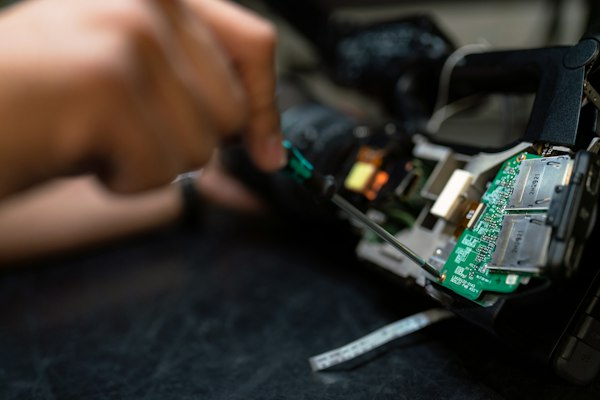
Surface Finish Control
Surface quality is inspected on bearing seats and mounting areas. Proper surface finish supports smooth rotation, reduces wear, and improves encoder performance.
Hardness & Heat Treatment Check
Hardness is verified after heat treatment to confirm material performance and consistency. This helps ensure wear resistance without compromising shaft stability.
Final Inspection Before Shipment
RequiredEach production batch undergoes final inspection to confirm overall compliance before packing. This step ensures that shipped encoder shafts match approved samples and specifications.
Custom Encoder Shaft Process
A clear, predictable workflow from drawing to delivery — no surprises, no confusion.

Drawing Review
You send your encoder shaft drawing or basic requirements. Key dimensions, tolerances, and application conditions are reviewed to ensure manufacturability.

Technical Feedback
You receive clear technical feedback together with a quotation. Any potential risks, suggestions, or optimization points are communicated before moving forward.
Sample Production
A sample is produced based on the confirmed drawing and process plan. Critical features are inspected and submitted for your evaluation and approval.
Mass Production
Once the sample is approved, production is carried out under controlled parameters. The same process settings are maintained for batch-to-batch consistency.
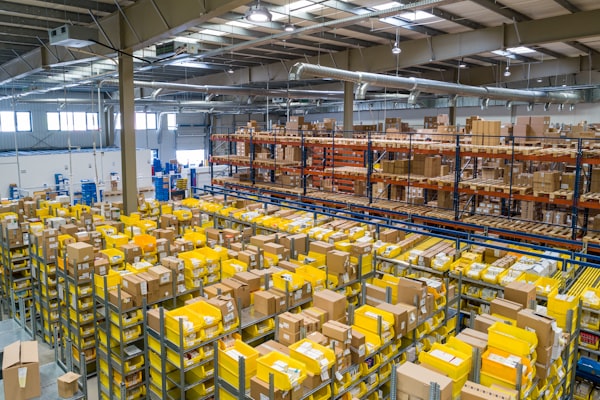
Inspection & Delivery
Final inspection is completed before shipment. Encoder shafts are packed according to protection requirements to ensure they arrive in proper condition.
Drawing Review
You send your drawing. Key dimensions and tolerances are reviewed to ensure manufacturability.
Technical Feedback & Quotation
You receive clear feedback with quotation. Risks and suggestions are communicated upfront.
Sample Production
Key StepA sample is produced and inspected. Submitted for your evaluation and approval.
Mass Production
Production under controlled parameters. Same settings maintained for batch consistency.
Inspection & Delivery
FinalFinal inspection completed. Packed properly to ensure safe arrival.
Typical Applications of Encoder Shafts
Encoder shafts serve motion feedback and positioning needs across diverse industries — from industrial automation to precision measurement.
Industrial Rotary Encoders
Encoder shafts are used in rotary encoders for position and speed feedback. Stable concentricity and smooth rotation support accurate signal output in industrial control systems.
Servo Motors & Drive Systems
In servo motor assemblies, encoder shafts transmit rotational motion between the motor and feedback system. Dimensional accuracy and balance help maintain stable motor performance.
Automation & Motion Control
Encoder shafts are widely applied in automation systems such as conveyors, positioning modules, and motion stages, where repeatable accuracy and long service life are required.
Measuring & Inspection Equipment
Precision encoder shafts are used in measuring devices to support accurate displacement and angle detection. Surface quality and runout control are critical in these applications.
Robotics & Intelligent Machinery
In robotic joints and intelligent equipment, encoder shafts support motion feedback under dynamic operating conditions. Structural stability helps maintain consistent positioning accuracy.
Aligned With Real Application Needs
Encoder shafts are manufactured based on real application conditions, ensuring reliable performance across different motion and feedback systems.
Encoder Shaft Manufacturing FAQ
Common questions from engineers and procurement teams about encoder shaft production, tolerances, materials, and quality control.
Request Engineering Feedback
Share your encoder shaft requirements or drawings. Our engineering team will review and respond within 24 hours.
Direct Contact
Prefer a direct conversation? Reach our engineering team for encoder shaft inquiries.